

Safe Choices of Treatment Explained
Having chronic pain can make daily activities more difficult and affect your physical and emotional health. Pain can result from surgery, an injury or a chronic medical condition. Medical professionals review each patient’s symptoms and medical history and recommend a customized plan of pain management emphasizing comfort and safety.
Chronic pain can make daily activities more difficult and can affect both physical and emotional health. Surgery, an injury or a chronic medical condition pain should be treated with the right treatment at the right time. Healthcare providers review each patient’s symptoms and medical history to develop an individualized pain management plan that emphasizes comfort and safety.
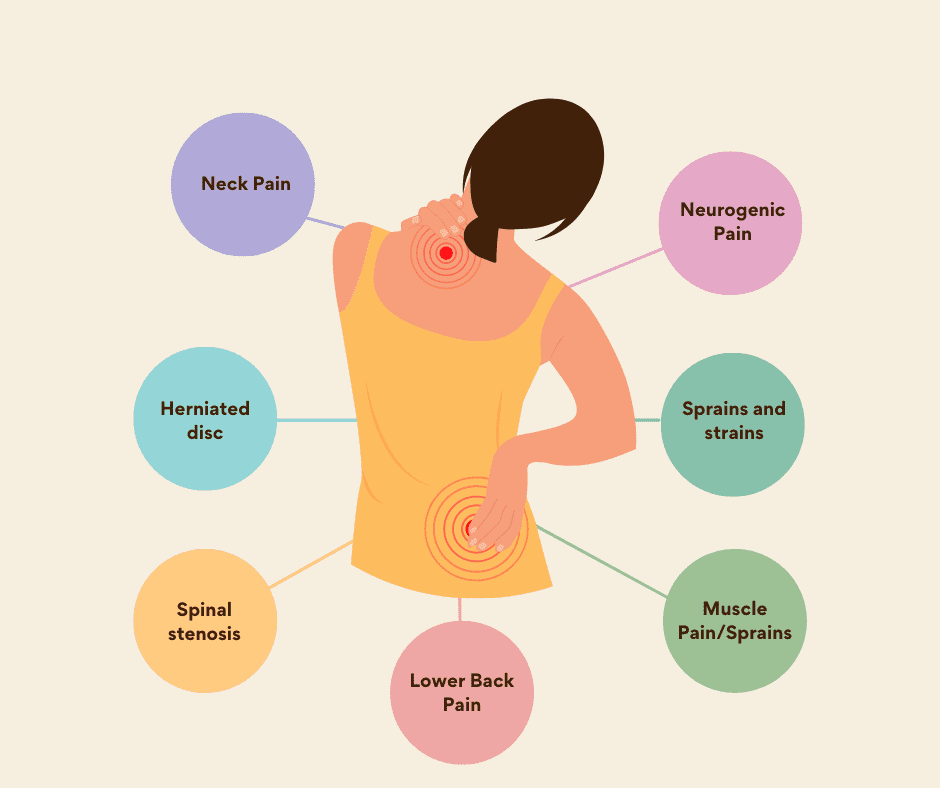
Personalized Pain Management is Important
Pain is unique to each individual. Treatment decisions are based on variables such as age, medical history, the underlying cause of the pain, and current medications. Physical therapy, lifestyle changes or over-the-counter drugs may be enough for some. Some may need prescription treatments as part of a closely-monitored care plan.
The aim is to not only reduce pain, but to improve mobility, daily function and quality of life, and to minimize potential risks.
How do health care providers choose treatment?
Health care providers think about a few things before prescribing a pain medication. This includes the severity of symptoms, previous response to treatment, possible medication interactions and pre-existing health conditions.
Regular follow-up appointments help keep the treatment effective and allow providers to make adjustments to the plan as needed. Good communication between patients and their healthcare providers is essential for good pain control.
Safe Practices for Medicine
Always take prescription pain medicines exactly as prescribed. Following medical advice reduces the risk of complications and improves the results of treatment.
Good medication practices include taking the prescribed dose, not adjusting the dose on your own, telling providers about all other medicines being taken and attending scheduled medical reviews.
Supporting Recovery – More than Medication
Medication is only one part of pain management. Many health care providers recommend that patients combine medical treatment with healthy lifestyle habits.
Gentle exercise, physical therapy, good nutrition, good sleep, stress management, and regular activity levels (when appropriate) can be helpful strategies. These strategies can help recovery and enhance long-term well-being.
Understanding Possible Side Effects
All prescription medicines have the potential for side effects. Mild symptoms will improve with time, but others may need medical attention. Patients should always read and follow the medication instructions carefully and contact their healthcare provider if they experience any unexpected symptoms or have concerns while being treated.
Early detection of side effects gives providers a chance to change treatment and keep patients safe.
Developing a Long-Term Pain Management Plan
You and your health care provider often work together to manage pain over time. Your treatment plan may change as your recovery progresses or your medical needs change. Routine evaluations ensure care remains appropriate and effective.
Generally, people who take an active role in their treatment, follow the doctor’s advice and have an overall healthy lifestyle do better.