

In today’s demanding world, even minor physical discomfort can interfere with productivity and overall well-being. Whether caused by injury, post-surgical recovery, or long-term health conditions, pain often affects both physical and mental performance. As a result, many individuals seek effective solutions that allow them to continue their daily routines without disruption. Among the medications frequently discussed in this context is tapentadol, which is prescribed for moderate to severe pain under proper medical supervision. Understanding how such treatments fit into a structured care plan is essential for achieving safe and consistent results.
The Evolution of Healthcare Accessibility in the Digital Age
Healthcare has undergone a significant transformation with the rise of digital platforms. In the past, accessing medical advice required scheduling appointments and waiting for consultations. Today, individuals have the convenience of connecting with licensed healthcare providers through online services.
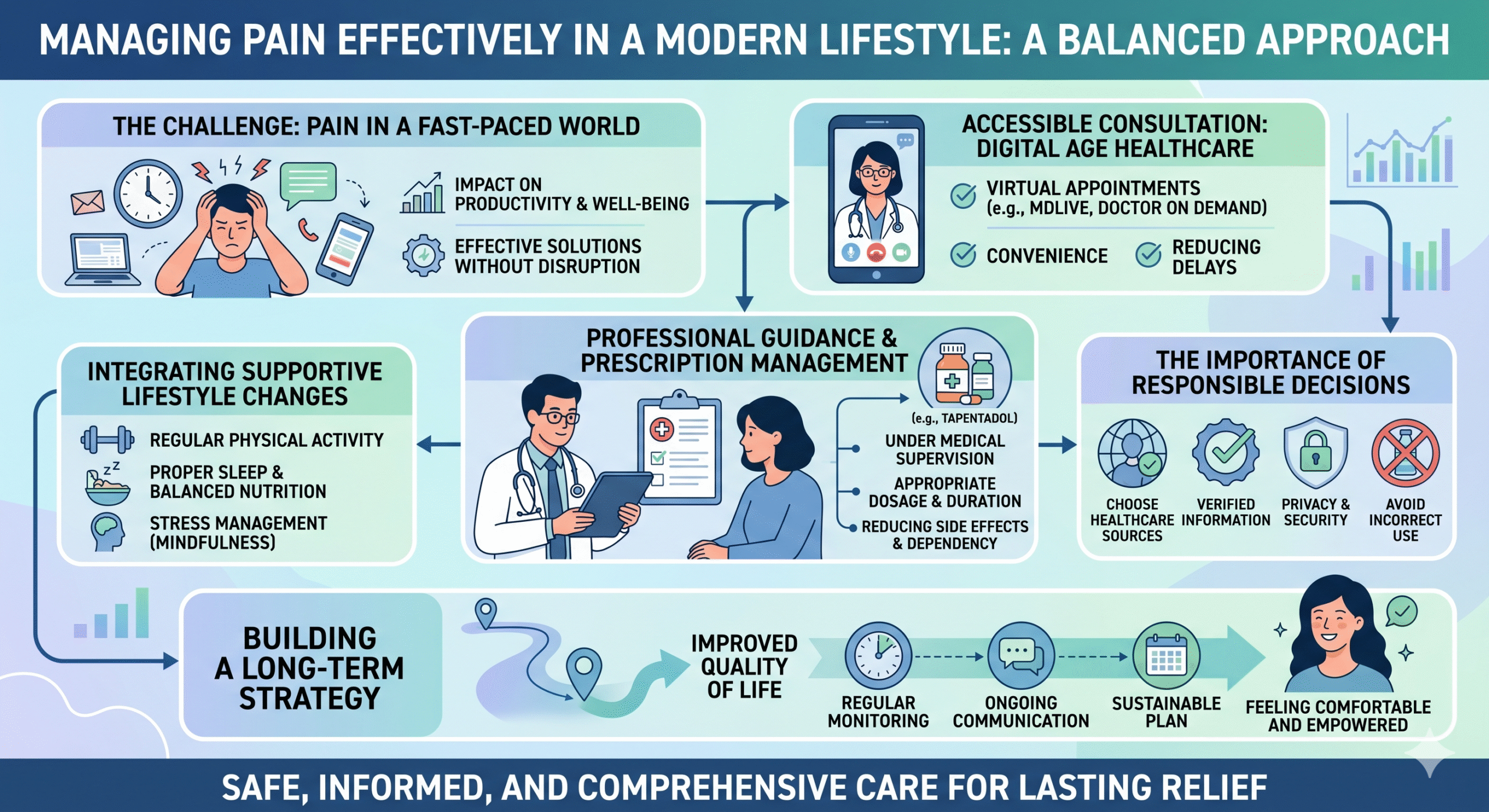
Platforms like MDLIVE and Doctor On Demand have made it easier to discuss symptoms, receive guidance, and explore treatment options without unnecessary delays. This shift has improved accessibility, especially for those who may have limited time or mobility.
Understanding the Role of Prescription Pain Management
Pain management is a complex process that varies from person to person. Prescription medications are sometimes recommended when other methods do not provide sufficient relief. Tapentadol works by influencing how the brain perceives pain, offering relief in cases where discomfort is more intense. However, its use must always be guided by a qualified healthcare professional to ensure that the dosage and duration are appropriate for the individual’s condition. Proper supervision reduces the risk of side effects and ensures that the treatment remains effective over time.
Why Responsible Use of Medication Matters
Medications that act on the central nervous system require careful handling. Without proper guidance, there can be risks associated with incorrect usage, dependency, or adverse reactions. This is why it is crucial to rely on professional medical advice before starting any treatment. Healthcare providers evaluate various factors, including medical history, current health status, and potential interactions with other medications, to create a safe and personalized plan. Responsible use not only enhances effectiveness but also protects long-term health.
The Convenience of Modern Consultation Services
One of the most notable advancements in healthcare is the ability to consult professionals remotely. Virtual consultations provide a level of convenience that aligns with modern lifestyles. Individuals can discuss their concerns, receive recommendations, and follow up on their progress without leaving their homes. This approach saves time and reduces the stress associated with traditional healthcare systems. It also encourages people to seek timely help, which can prevent conditions from worsening.
Integrating Lifestyle Changes for Better Outcomes
While medication can play an important role in managing pain, it is often most effective when combined with supportive lifestyle changes. Regular physical activity, when appropriate, can help improve mobility and reduce stiffness. Proper sleep and balanced nutrition also contribute to the body’s ability to heal and recover. Stress management techniques, such as mindfulness or relaxation exercises, can further enhance overall well-being. By combining these elements, individuals can create a more comprehensive approach to pain management.
The Importance of Choosing Reliable Healthcare Sources
With the abundance of information available online, it is essential to rely on credible and trustworthy sources. Not all platforms provide accurate or safe guidance, which can lead to confusion or incorrect decisions. Choosing verified healthcare services ensures that individuals receive accurate information and appropriate recommendations. Trusted platforms also maintain privacy and security, which are important factors when dealing with personal health concerns.
Building a Long-Term Strategy for Pain Relief
Effective pain management is not just about immediate relief; it is about creating a sustainable plan for the future. This involves regular monitoring, adjustments to treatment when necessary, and ongoing communication with healthcare professionals. A long-term approach helps individuals maintain comfort and improve their quality of life over time. It also reduces the likelihood of complications or setbacks.
The Role of Awareness in Safe Healthcare Decisions
Being informed is one of the most powerful tools in managing health. Understanding how different treatments work, their potential benefits, and their risks allows individuals to make better decisions. Awareness also helps in recognizing when to seek professional help and when to explore alternative options. This proactive approach leads to safer and more effective outcomes.
In a world where convenience and efficiency are highly valued, managing pain requires a thoughtful and responsible approach. While medications like tapentadol may be part of a treatment plan, they should always be used under proper medical supervision. Combining professional guidance with healthy lifestyle practices creates a balanced strategy that supports both immediate relief and long-term well-being. By focusing on safety, reliability, and informed decision-making, individuals can navigate their pain management journey with confidence and care.